If you want a home base that makes it easier to get around Pullman without relying on your car for every trip, Pullman Halls deserves a closer look. In a small college town, “walkable” usually does not mean a dense city grid. It means you can piece together a practical routine with walking, transit, biking, and quick access to campus and downtown. If that sounds like the lifestyle you want, this guide will show you what walkable living around Pullman Halls can actually look like. Let’s dive in.
Why Pullman Halls Feels More Connected
Pullman Halls sits within an established residential area tied to several plats and streets, including NW Hall Dr., NW Thomas St., NW Nicole Ct., NW Merman Dr., NW Deane St., and NW Lamont St. Local records point to a neighborhood with a long-standing footprint rather than a brand-new project. That matters because established areas near Pullman’s core often offer better day-to-day connections than newer subdivisions farther out.
The bigger advantage is location within a classic college-town setting. Washington State University describes Pullman as a classic college town and notes that many people do not need a car for daily life near campus. That creates a different lifestyle than you would expect in more suburban parts of town.
What Walkable Living Means Here
In Pullman Halls, walkable living is best understood as car-light living. You may still want a car for some errands, regional travel, or certain schedules, but you are more likely to have realistic alternatives for routine trips. That can include walking to nearby destinations, taking transit, biking, or mixing all three.
WSU’s transportation guidance says Pullman has an efficient transit system, free service for students, staff, and faculty, and bike access that supports commuting. The university also notes that many students who bring cars leave them parked for much of the semester. That is a strong sign that daily life around the campus and downtown core can be more flexible than many buyers expect.
Transit Makes Daily Routines Easier
One of the biggest reasons Pullman Halls works for car-light living is transit access. The city’s GIS transit data lists a wide range of routes, including Campus Route, Downtown, Loop, Blue, Silver, Wheat, Lentil, ApartmentLand Express, and AM/PM routes. That route mix shows a system built around local circulation, not just long commute trips.
According to city transit route data, the network supports both campus connections and broader neighborhood movement. WSU also notes that Wheat and Lentil run daily until midnight, and drivers can let riders off along the route after dark. That kind of coverage can make evening schedules more manageable.
There is also neighborhood-specific evidence that supports this lifestyle. One Pullman Halls property listing highlights an express bus route to campus, along with proximity to restaurants and SEL. For buyers who want easier routines during busy work or school weeks, that kind of convenience can make a real difference.
Campus and Downtown Are Part of the Appeal
Pullman Halls benefits from being tied into the campus-downtown pattern that defines much of everyday life in Pullman. The WSU campus and Pullman area map places key destinations within the same broader activity zone, including downtown Pullman, transit stops, City Hall, the police station, Neill Public Library, and the River Walk Path.
The same map also highlights destinations on campus such as the Student Recreation Center, Chinook Student Center, Ferdinand’s Ice Cream Shoppe, the Museum of Art, dining centers, and Bryan Hall Clock Tower. You may not walk to every one of these places from every address in Pullman Halls, but the overall layout helps explain why the area often feels more connected than neighborhoods farther from campus and downtown.
Housing Options Support Different Lifestyles
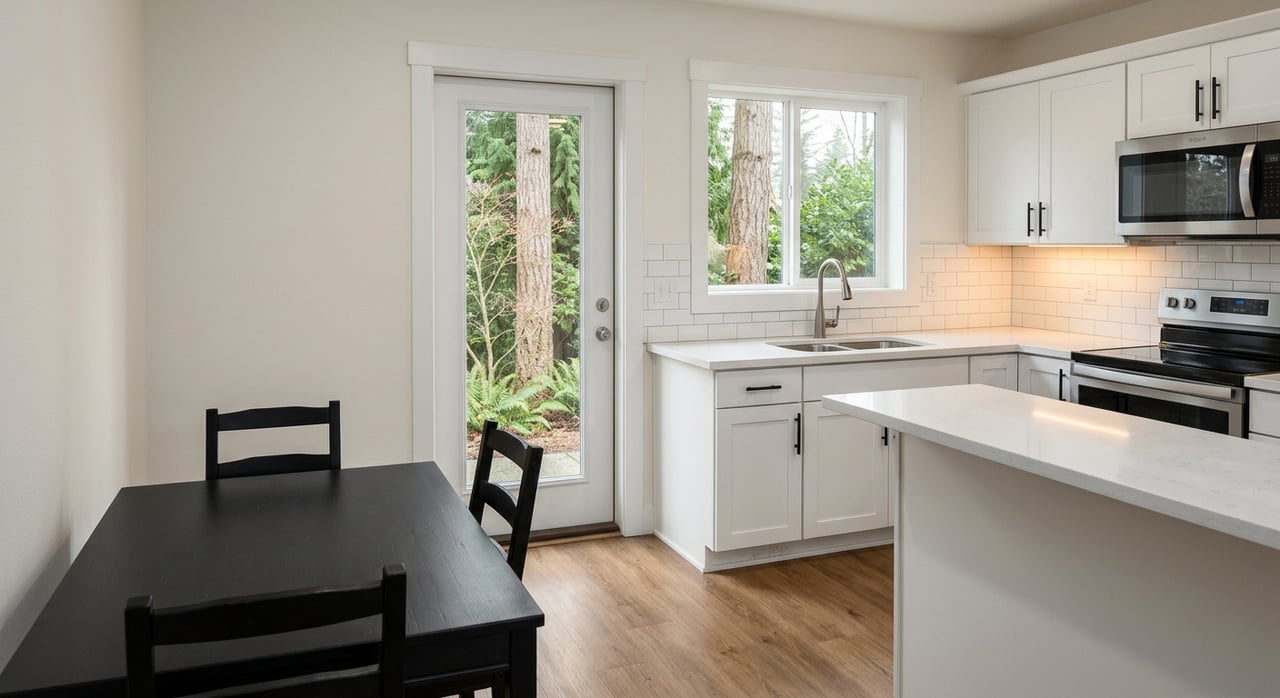
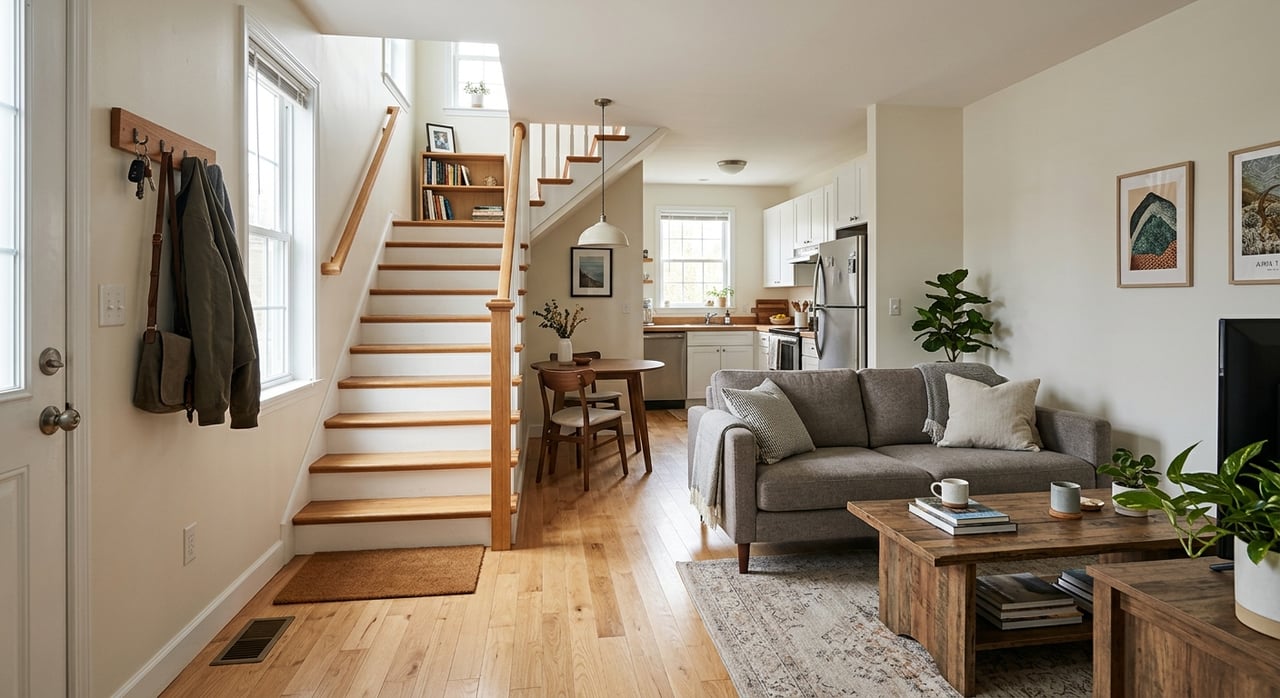
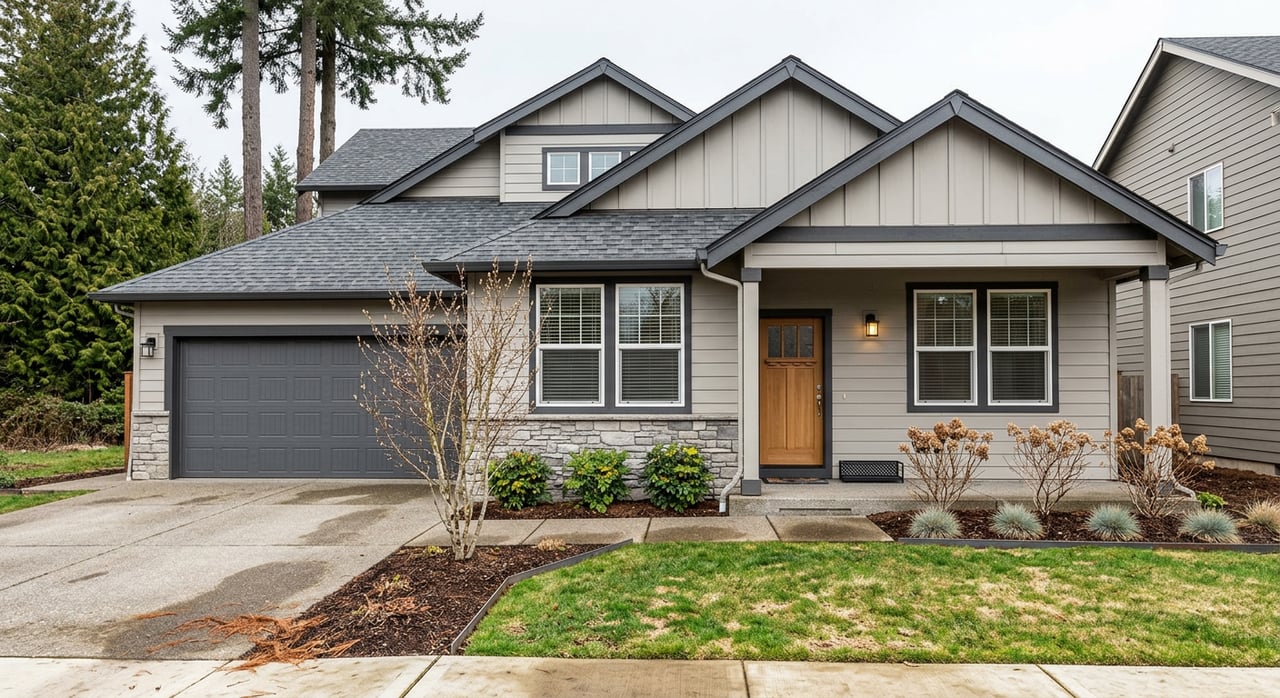
Another strength of Pullman Halls is its housing mix. Current examples show that the neighborhood is not limited to one housing type. Instead, it includes smaller condo-style or attached homes as well as detached houses with varying lot sizes and zoning patterns.
For example, one current listing is a 775-square-foot, 2-bedroom condo with HOA dues and Multi-Family RE zoning. Other listings show detached homes with larger footprints and lots, including a 2,394-square-foot, 4-bedroom home on a 10,788-square-foot lot and a 3,147-square-foot home on an 8,800-square-foot lot with Two Family Residential zoning. These examples, drawn from current Pullman Halls listings, point to a neighborhood that can fit different needs and budgets.
That variety matters if you are trying to match a home to your routine. A smaller condo or attached home may appeal to someone who wants simpler upkeep and easier access to campus-oriented living. A detached home may fit better if you want more space while still staying relatively connected to Pullman’s core.
Small Details Add to Everyday Convenience
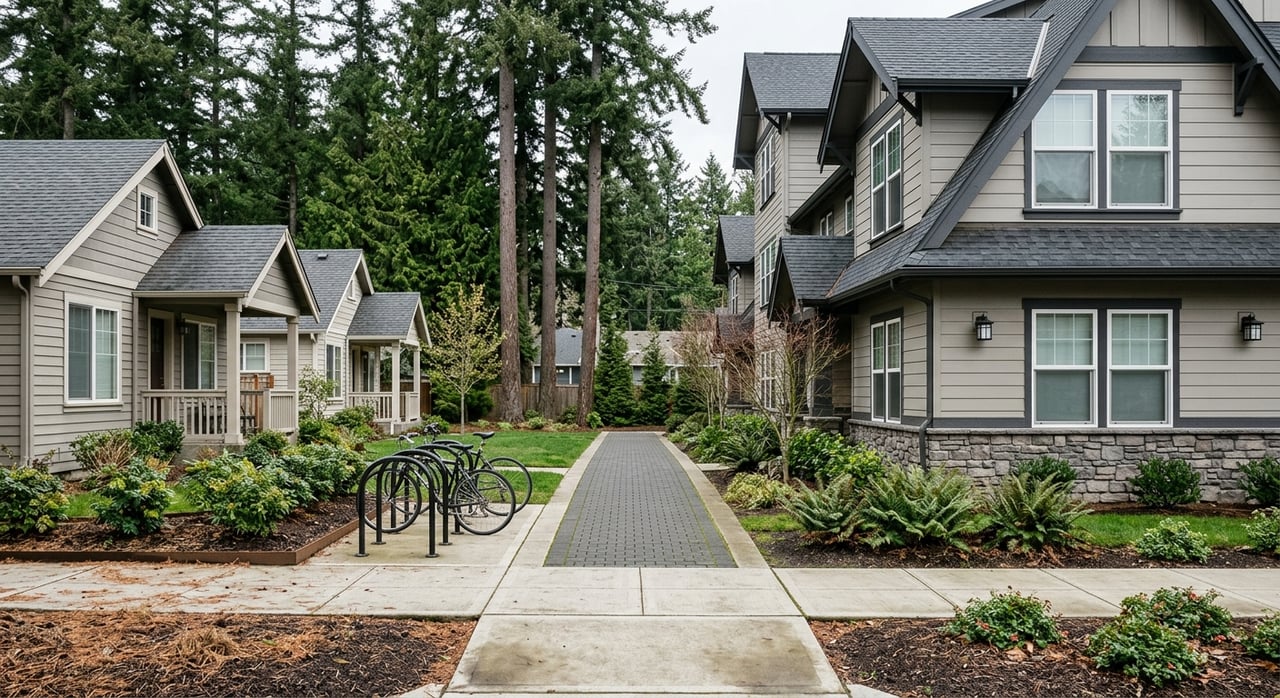
Walkability is not only about maps and bus routes. It is also about the small details that make a neighborhood easier to live in day after day. In Pullman Halls, one example is a home listing that mentions an exclusive neighborhood walking path.
That does not mean every home has the same setup, but it does reinforce the idea that this area supports movement beyond driving. City permit records also show continued activity across multiple Pullman Halls additions, which suggests an older neighborhood with ongoing updates instead of a newly built tract with only one development pattern.
How Pullman Halls Compares to More Suburban Areas
If you are deciding between neighborhoods, context helps. Some Pullman areas are better suited to a more suburban, car-oriented lifestyle. Pullman Halls stands out because it is generally better positioned for shorter connections to campus and downtown.
For example, Golden Hills West is described in local market content as a primarily suburban single-family area where errands, groceries, services, and commuting are more car-oriented. Paradise Ridge also reads as more suburban, with detached homes, attached garages, and lot-specific considerations that fit a different kind of buyer priority.
By comparison, Pullman Halls is the stronger option if you want more chances to walk, bike, or use transit for routine trips. That is not the same as saying every errand will be walkable. It means the neighborhood fits more naturally into Pullman’s campus-and-downtown activity pattern.
Who Might Like Pullman Halls Most
Pullman Halls can make sense for several kinds of buyers and sellers. If you are affiliated with WSU, the area may appeal to you because of its relationship to campus transportation and the broader university environment. If you want a practical daily routine with less driving, the neighborhood’s location and transit options may also stand out.
It can also appeal to buyers who want choices. The mix of condos, attached housing, and detached homes creates flexibility for different ownership goals. Whether you are looking for lower-maintenance living or more square footage, Pullman Halls offers a more varied housing story than many people assume.
A Realistic View of Walkability in Pullman
The most useful way to think about Pullman Halls is to stay realistic. Pullman is still a small city, and walkable living here is different from what you would find in a major urban center. You will likely still use transit, bikes, and occasional driving to fill in the gaps.
But within that reality, Pullman Halls is well-positioned. The combination of an established neighborhood, access to campus and downtown activity, broad transit support, and mixed housing types makes it one of the more practical places in Pullman for a car-light lifestyle.
If you are thinking about buying or selling in Pullman Halls and want neighborhood-specific guidance, Mick Nazerali can help you compare homes, evaluate location tradeoffs, and make a confident move in the Pullman market.
FAQs
Is Pullman Halls in Pullman, WA a truly walkable neighborhood?
- Pullman Halls is best described as supportive of a car-light lifestyle rather than fully urban walkability, with access to campus, downtown, transit, and biking options.
How does transit work near Pullman Halls in Pullman?
- Pullman Transit serves campus and neighborhood circulation through multiple routes, and WSU notes that students, staff, and faculty can use transit for free.
What kinds of homes are available in Pullman Halls?
- Verified listings show a mix of smaller condos or attached units and detached homes with different lot sizes, garage setups, and HOA structures.
How does Pullman Halls compare with suburban Pullman neighborhoods?
- Pullman Halls is generally more connected to the campus-downtown core, while neighborhoods like Golden Hills West and Paradise Ridge are more suburban and car-oriented.
Is Pullman Halls a good fit for WSU-affiliated buyers?
- It can be a strong fit for buyers tied to WSU because the area benefits from campus access, transit options, and a daily routine that may require less driving.