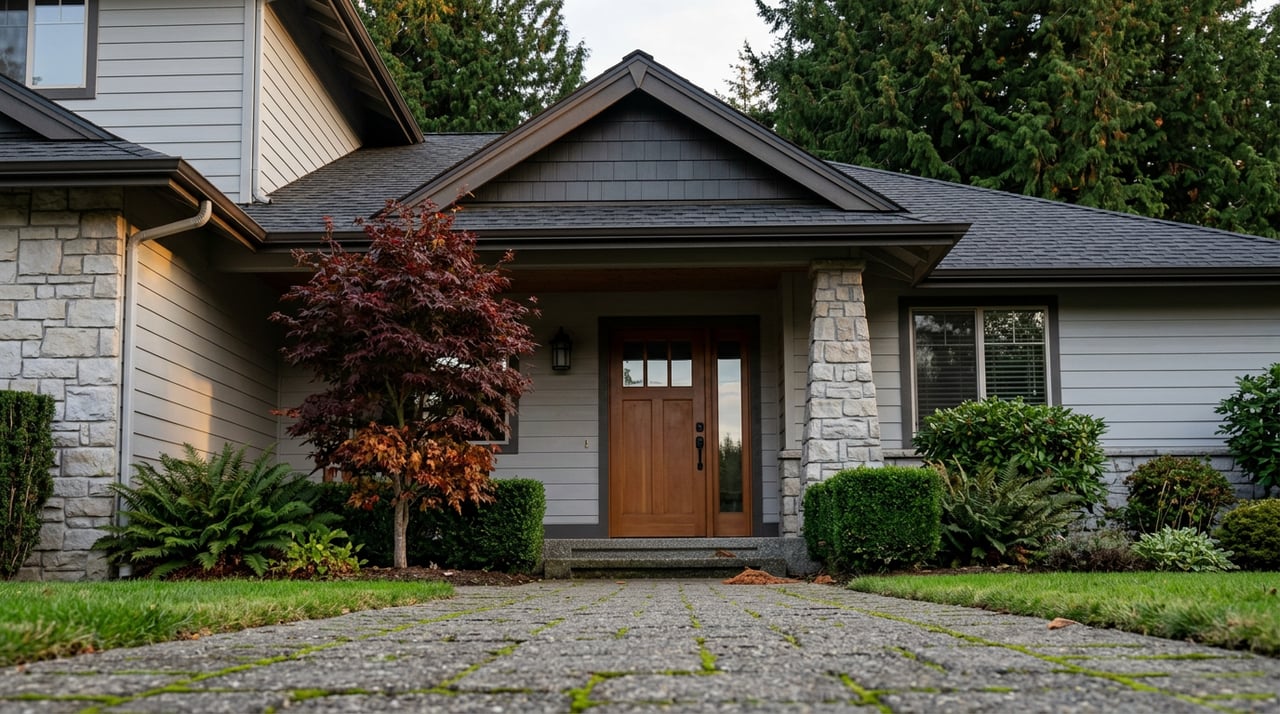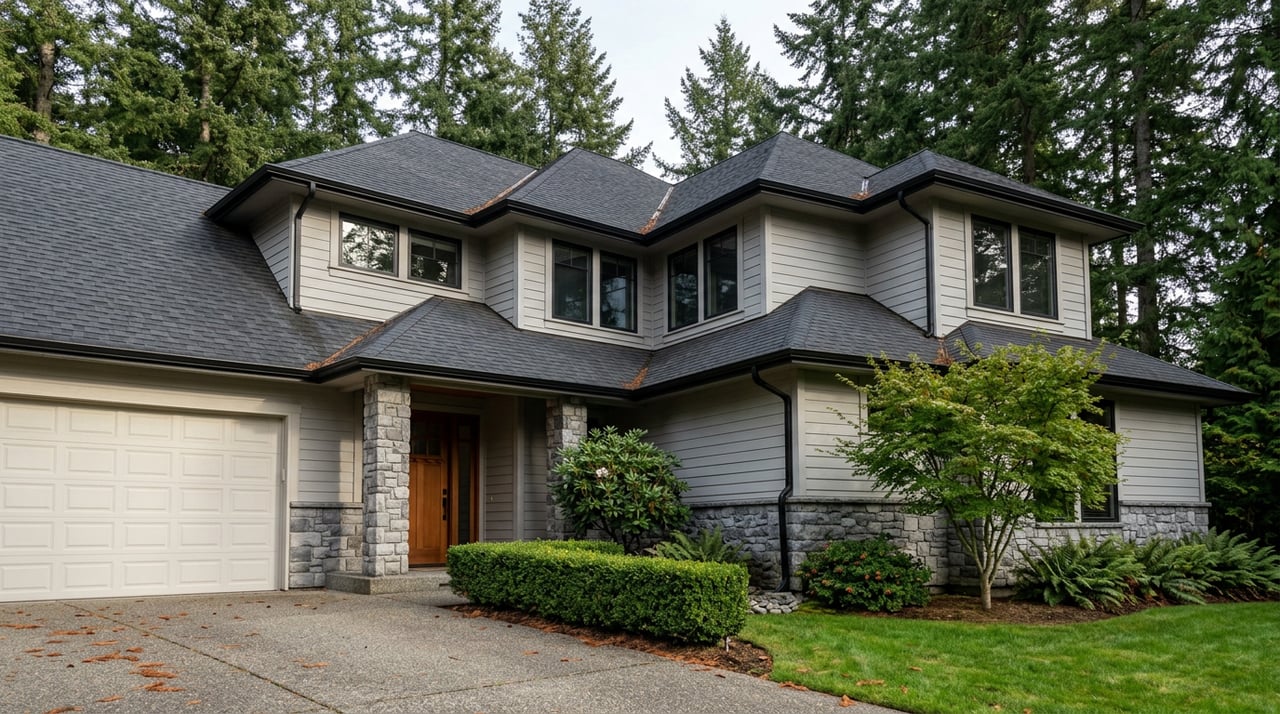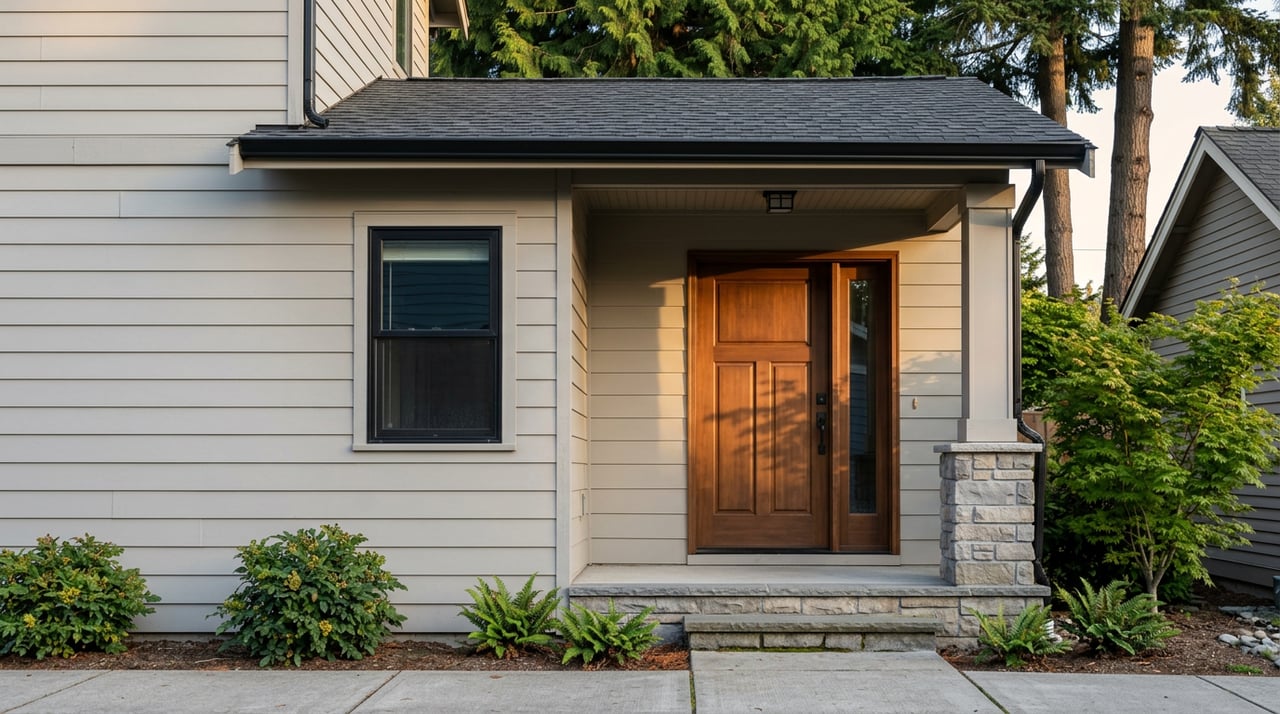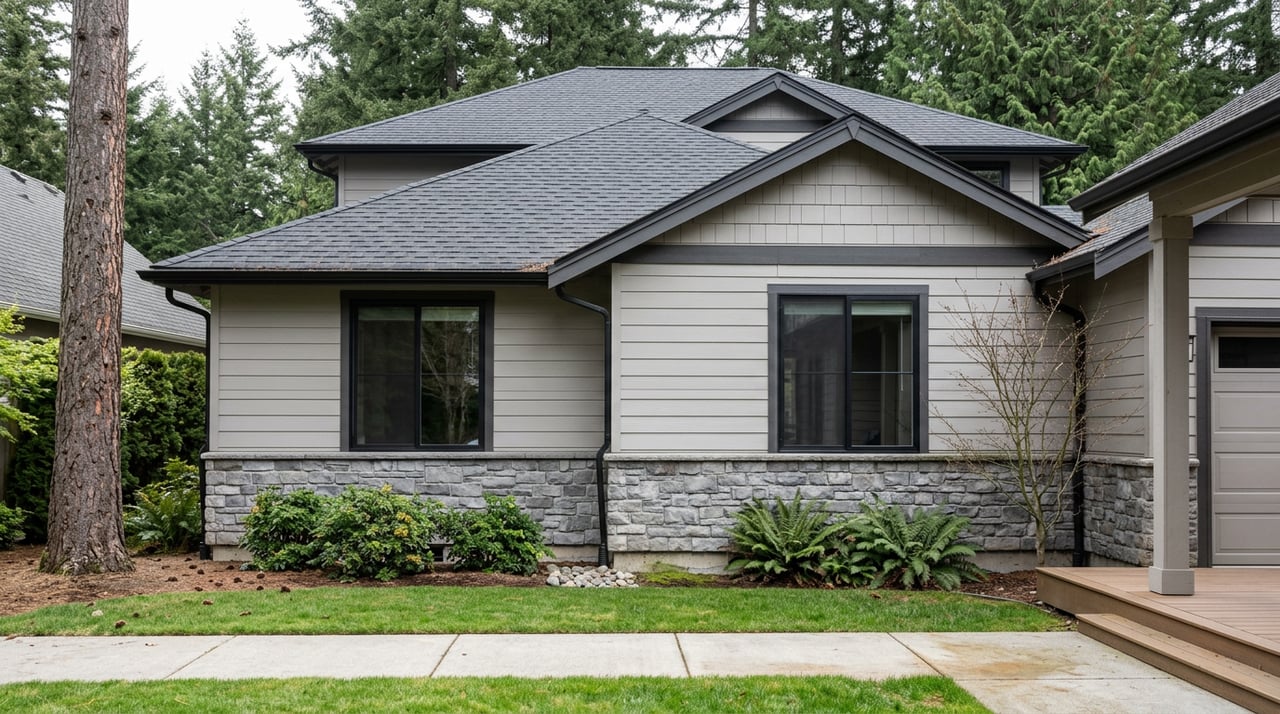
Two houses on the same block in Pullman Halls can both be marketed as five bedrooms. One of them has five bedrooms a lender will underwrite as five bedrooms. The other has four bedrooms and a finished room in the basement that functions as a bedroom, rents as a bedroom, and shows up as a bedroom on the listing sheet, but was never built to the standard that makes it one in the eyes of an appraiser or a building inspector.
The difference does not show up in a photo. It shows up in a single dimension: whether that below-grade room has a window big enough and low enough for someone to climb out of it in an emergency. Get that wrong and you have priced a house on a bedroom count the market may not agree with once you try to refinance, insure, or resell it.
What Actually Makes a Bedroom a Bedroom
Washington's residential building code, which follows the International Residential Code's egress standard, requires every sleeping room to have an operable window with a minimum clear opening of 5.7 square feet, at least 24 inches tall and 20 inches wide, with the bottom of the opening no higher than 44 inches above the floor. A room without that opening is not disqualified from existing. People can and do sleep in it. It just is not a bedroom in the code sense, which means it is not supposed to be one on paper either.
This matters more in a basement than anywhere else in a house, because basements are exactly where Pullman's older rental stock tends to add sleeping space. A finished rec room with a small hopper window looks like a bedroom on a rental listing and functions like one for a tenant. Whether it counts as one when someone tries to appraise, insure, or resell the house is a separate question entirely.
Why Pullman Draws the Line at 1969
Here is the detail that changes the math for Pullman Halls specifically. The City of Pullman's own resident resources page states plainly that a building has to comply with the code that was in effect when it was built, not the code in effect today. For egress specifically, the city's guidance is that bedrooms in buildings constructed after 1969, and any bedroom created after 1969 inside an older building, must meet the egress code in effect at that time. A bedroom that existed before 1969 and has not been altered since is grandfathered. It never has to add an egress window, no matter what the current code requires.
That single sentence splits Pullman Halls' housing stock into two populations that look identical on an MLS sheet. A five-bedroom house built in the 1950s can have a below-grade bedroom with no real egress window and be entirely compliant, because the room predates the rule. A five-bedroom house from the 1980s with the same kind of small basement window is not compliant, because the rule already applied when it was built. Same bed count, same asking price range, completely different legal standing.
The complication runs the other direction too. A pre-1969 house is only grandfathered if nobody has touched that bedroom since. If a prior owner finished, enlarged, or converted that basement room after 1969 to add a fifth or sixth bedroom, and did it without a permit that brought the window up to code, the grandfather clause does not apply. The room's history matters as much as the house's history.
Where This Actually Bites in Pullman Halls
Pullman Halls is a neighborhood where bedroom count does most of the pricing work. Investor buyers are running a rent-per-bedroom calculation. Owner-occupier families are comparing square footage and bedroom count against other houses in the same price band. Both groups are looking at the same number on the listing sheet and assuming it means the same thing everywhere in the neighborhood.
It does not, because the neighborhood's housing stock spans decades of construction. A buyer comparing two "five-bedroom" houses at similar prices is not necessarily comparing two houses with the same rentable, financeable bedroom count. One might have five bedrooms a lender will count toward the appraisal. The other might have four that count and one that an appraiser marks as a den, office, or non-conforming space, which changes both the appraised value and what an investor buyer can realistically charge for it.
This is the kind of gap that does not show up until late in a transaction, often at appraisal, sometimes not until a future owner tries to refinance or the house goes up for sale again and a new inspector looks more carefully at that basement window than the last one did.
The Inspection Gap That Leaves This on You
Washington state law lets a city require a certificate of inspection on rental properties, but caps how often it can ask for one at once every three years, and it exempts any property that already has a certificate of occupancy from the last four years with no code violations on record. That framework tells you something useful even if you never see the paperwork it produces: a rental inspection, wherever one happens, is built to confirm current habitability and safety, not to certify that a specific bedroom's window meets the code year that applied when the room was actually built. Nobody who signs off on a rental inspection is cross-referencing your basement window against a 1969 construction date.
That means the specific question this post is about, whether a given bedroom is grandfathered or was created after the line that requires egress, is not something a routine inspection answers for you. It is something you or your own inspector has to establish before closing, through the window measurement and the permit history, not by assuming a past inspection already covered it.
What to Actually Check Before You Write the Offer
- Ask the listing agent or seller directly whether every bedroom, especially any below-grade one, has ever been altered, finished, or added after the home was originally built.
- Have your inspector physically measure the window opening in any basement or attic bedroom rather than confirming it exists. A window can be present and still fail the 5.7-square-foot and 44-inch sill height standard.
- Pull permit history through Whitman County or the City of Pullman before you assume a below-grade bedroom is original construction. A permit for a "basement remodel" is a strong signal the grandfather clause no longer applies to that room.
- If you are financing the purchase, ask your lender's appraiser in advance how they plan to count bedrooms that do not have visible egress windows, since that determination can move the appraised value independent of what the listing states.
- If you are buying as an investor, run your rent-per-bedroom math on the confirmed, code-compliant count, not the MLS count, so your return projection survives a future appraisal or a future tenant's own awareness of the code.
FAQ
Does this only matter if I am buying to rent the house out? No. It affects appraised value and future resale for owner-occupiers too, since a lender's appraisal will reflect the same bedroom determination whether the buyer plans to live in the house or rent it.
If a room has been used as a bedroom for years, does that make it one? Not under the code. Use does not create compliance. A room can function as a bedroom for a tenant or family member indefinitely without ever meeting the egress standard, which is exactly the situation that creates the valuation gap at resale.
Is this specific to Pullman Halls, or does it apply everywhere in Pullman? The 1969 rule applies citywide. It matters more in Pullman Halls because the neighborhood's price point and buyer competition depend so heavily on bedroom count, and because its housing stock spans enough decades that the pre- and post-1969 split shows up often within the same few blocks.
Buying or selling a multi-bedroom house in Pullman Halls means getting the actual, verifiable bedroom count right before it becomes someone else's problem at appraisal. If you want a straight answer on what a specific house's bedroom count will hold up to, Pullman Properties can walk the permit history and the inspection with you before you write the offer. Let's Connect.