Are you trying to decide whether to keep, refresh, or sell a student rental near McCroskey? In Pullman, that decision is rarely just about today’s rent. It is about how well your property fits Washington State University’s yearly housing cycle, how much upkeep it needs, and whether your next move supports your long-term goals. If you own or are considering a rental in the McCroskey area of 99163, this guide will help you think more strategically about timing, updates, and hold-versus-sell choices. Let’s dive in.
Why McCroskey Rentals Stay Relevant
The McCroskey area sits close to Washington State University, and that matters because student housing demand in Pullman is tied to a large, recurring campus population. WSU reported 16,248 students on the Pullman campus in fall 2025, which supports the case for steady student-oriented demand rather than a one-time surge.
That does not mean every rental performs the same way. A property near campus still has to compete for attention each leasing cycle, and tenants often compare convenience, privacy, parking, and layout along with monthly cost. In a market shaped by academic timing, the best long-term results usually come from staying aligned with what student renters actually need.
Use On-Campus Housing as a Benchmark
For the 2026-27 academic year, WSU lists McCroskey Hall at $5,360 per semester for a double and $5,960 per semester for a single, before dining. Those published rates give you a useful local reference point when you evaluate your own rental’s position in the market.
The takeaway is not that an off-campus rental should mirror a residence hall. It is that students and families are often weighing tradeoffs. If your property offers features that campus housing may not, such as more privacy, flexible living space, or parking, those features can shape how competitive your rental feels.
Start With the Hold-or-Sell Question
A long-term strategy begins with a simple question: does the property still fit the market well enough to justify holding it? If the answer is yes, your next step is usually to improve operations and plan updates carefully. If the answer is no, selling may deserve a closer look.
In practical terms, a hold decision tends to make more sense when the property still matches student demand, current income can support reserves, and you can keep up with recurring turnover work and larger future repairs. A sell decision becomes more compelling when deferred maintenance is building up, the floor plan no longer works well for renters, or the next capital expense would materially change the property’s risk.
Signs a Hold Strategy May Work
A hold strategy may be worth pursuing when:
- the layout still works for roommates or a single occupant
- the location remains competitive for WSU-related renters
- routine repairs and annual make-ready costs are manageable
- you can budget for larger system replacements over time
- the property can stay functional and appealing without a full overhaul
Signs a Sale May Deserve Review
It may be time to review a sale when:
- major deferred maintenance is piling up
- upcoming capital needs are unusually large
- the property no longer competes well with nearby options
- the design or condition limits leasing appeal
- your after-tax exit picture may be stronger than your long-term hold outlook
Plan Around the WSU Calendar
One of the biggest mistakes owners make is treating a student rental like a standard year-round lease property. In the McCroskey area, the university calendar should shape your operating calendar.
WSU’s published dates for 2026-27 show fall move-in on August 15-16, 2026, with fall classes beginning August 24, 2026. Spring semester classes begin January 11, 2027, and spring finals run May 3-7, 2027. WSU housing policy also states that residents must vacate within 24 hours of their last final exam.
That timing matters because the period right after finals often acts as the start of the true turnover window. For many owners, the most important reset period begins in mid-May and runs through the summer, leading into the August move-in rush.
A Practical Annual Leasing Rhythm
A workable annual sequence for a McCroskey-area rental looks like this:
- Review renewal plans early enough to meet Washington notice requirements.
- Order materials and schedule contractors before spring finals.
- Complete larger work, such as paint, flooring, appliances, and safety items, during the summer window.
- Relaunch and prepare the unit ahead of the August move-in period.
This kind of schedule helps you avoid rushed summer decisions. It also gives you a clearer way to budget both annual turnover costs and longer-term capital projects.
Know Washington Rent Rules
If you plan to hold a student rental, state rules around rent increases matter. Washington’s Attorney General says the law limits most residential rent increases to 7% plus CPI or 10%, whichever is less, over any 12-month period. The Washington State Department of Commerce says the 2026 maximum for covered tenancies is 9.683%.
Washington law also requires 90 days’ prior written notice for most rent increases, and the increase cannot take effect before the rental term ends. For owners, that means you should not rely on sharp rent jumps to solve a property that has been under-maintained or poorly planned.
What This Means for Owners
In real terms, these rules push you toward a more disciplined strategy:
- budget for maintenance consistently
- review rent timing well ahead of lease turnover
- avoid counting on large renewal increases to cover neglected repairs
- make decisions early enough to match both the academic calendar and notice requirements
Separate Repairs From Improvements
A strong long-term rental strategy is not just about leasing. It is also about keeping clean records and understanding where your money is going.
IRS guidance distinguishes ordinary maintenance from improvements. Publication 527 explains that rental-property improvements are generally tracked separately, while Publication 946 says improvements are depreciated as property. For owners, that creates a practical reason to separate small turnover fixes from larger capital projects in your records.
That separation helps in two ways. First, it gives you a clearer picture of your true annual operating costs. Second, it makes it easier to evaluate whether the property is still worth holding as larger updates begin to stack up.
Focus Updates on Durability and Convenience
In a student rental near McCroskey, the smartest repositioning plan is not always the flashiest one. In many cases, durability and convenience matter more than luxury finishes.
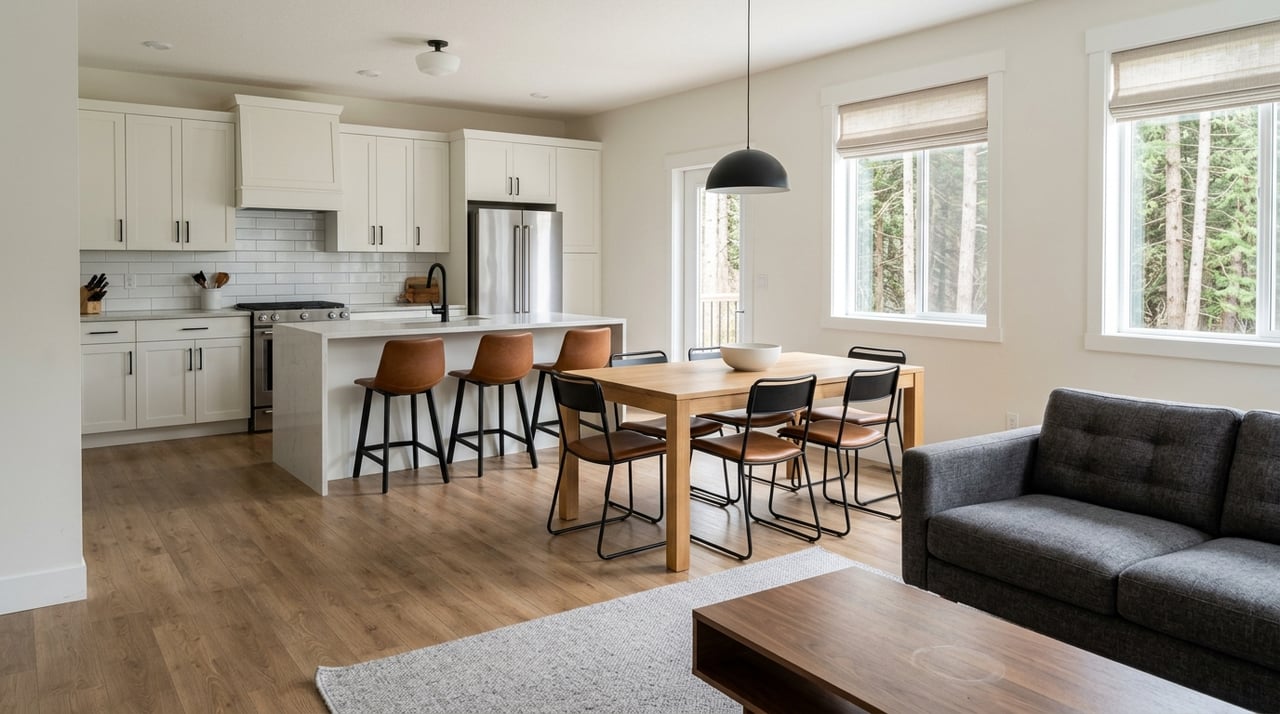
Useful upgrades often include fresh paint, resilient flooring, clean kitchens and bathrooms, dependable internet setup, secure access, and a layout that works well for either roommates or a single occupant. These features align more closely with how students use the space and how the area competes with on-campus housing options.
Updates That Often Support Long-Term Performance
When you evaluate your next round of work, prioritize improvements that can hold up through repeated turnover cycles:
- durable flooring instead of easily damaged finishes
- easy-to-clean paint and surfaces
- dependable appliances
- secure entry features
- functional bathroom and kitchen updates
- room layouts that support privacy and flexible use
Review the Property Every Year
A student rental should not be managed on autopilot. The best long-term strategy is to review the property each year and decide what the next 12 to 24 months should look like.
In the McCroskey area, that usually means choosing one of four paths: hold and renew, hold and refresh, reposition with a larger capital plan, or sell while the property still fits the market. Taking that approach can help you act before problems become urgent and expensive.
A Simple Annual Decision Framework
Ask yourself these questions each year:
- Does the current layout still fit student demand?
- Can the property support reserves and recurring turnover costs?
- Are upcoming improvements manageable, or do they change the risk profile?
- Would a larger repositioning improve competitiveness enough to justify the cost?
- Does a sale make more sense once taxes, depreciation history, and timing are considered?
Think Beyond the Sale Price
If you are leaning toward selling, it is important to look past the headline number. IRS Publication 544 covers gain and depreciation recapture when rental property is sold, which means your after-tax proceeds may look different from your gross sale price.
That is why a sale decision should be measured against the full picture. Before you exit, it is wise to review basis, depreciation history, and timing so you understand what the sale would actually mean for your bottom line.
Build a Strategy, Not Just a Lease Cycle
The strongest McCroskey rental strategies are built on repeatable habits, not last-minute decisions. When you match your planning to the WSU calendar, keep up with maintenance, track improvements clearly, and review your hold-versus-sell position every year, you put yourself in a better position to protect value over time.
If you want a local read on how a McCroskey-area property fits today’s Pullman market, or you are weighing whether to hold, refresh, or sell, Mick Nazerali can help you think through the next step with practical, Pullman-specific insight.
FAQs
What makes McCroskey student rentals different from other Pullman rentals?
- McCroskey-area rentals are closely tied to Washington State University’s academic calendar, nearby campus housing competition, and student-oriented turnover timing.
When should a McCroskey rental owner plan major updates?
- The best window for major paint, flooring, appliance, and safety work is typically the summer period after spring finals and before the August move-in rush.
How do Washington rent increase rules affect McCroskey student rentals?
- Washington limits most residential rent increases to 7% plus CPI or 10%, whichever is less, over 12 months, requires 90 days’ prior written notice for most increases, and generally does not allow an increase to take effect before the rental term ends.
What updates usually matter most in a McCroskey student rental?
- Durable, practical upgrades often matter most, including fresh paint, resilient flooring, clean kitchens and baths, secure access, dependable appliances, and layouts that work for roommates or single occupants.
What should a McCroskey rental owner review before selling?
- Before selling, you should review the property’s maintenance needs, leasing fit, future capital costs, and after-tax proceeds, including basis and depreciation history.